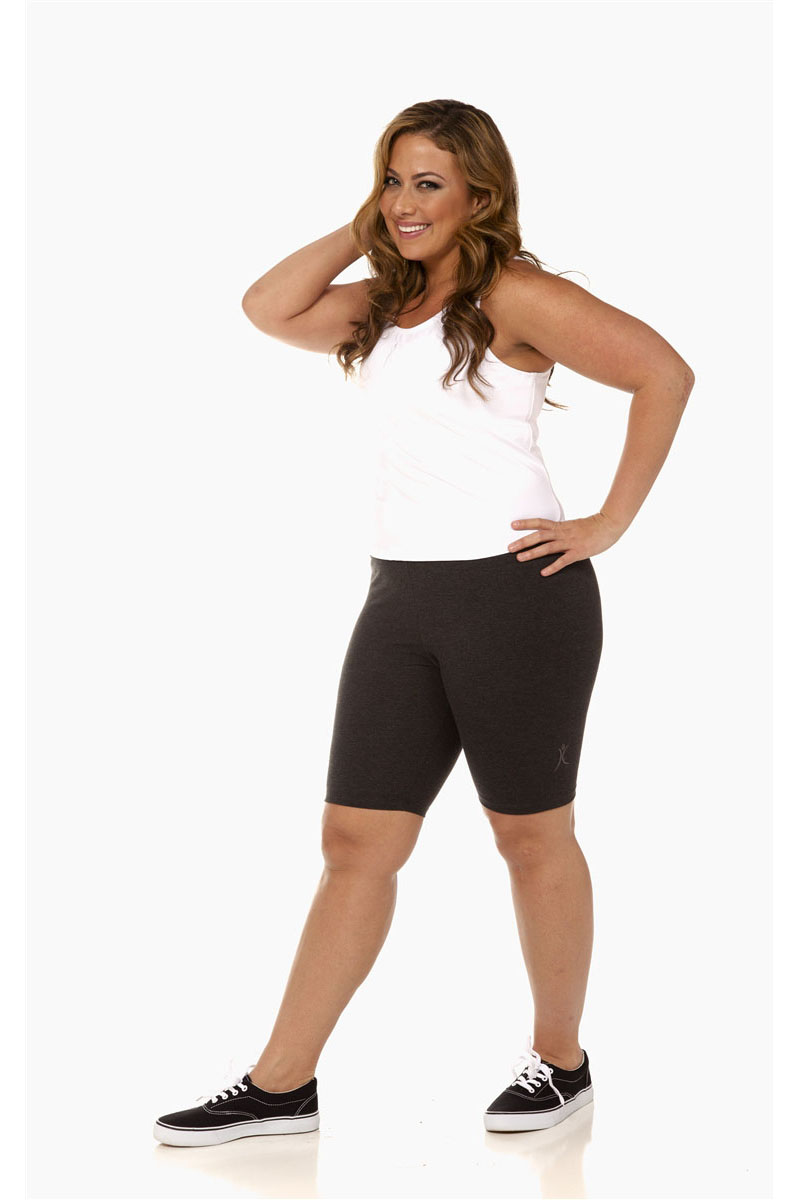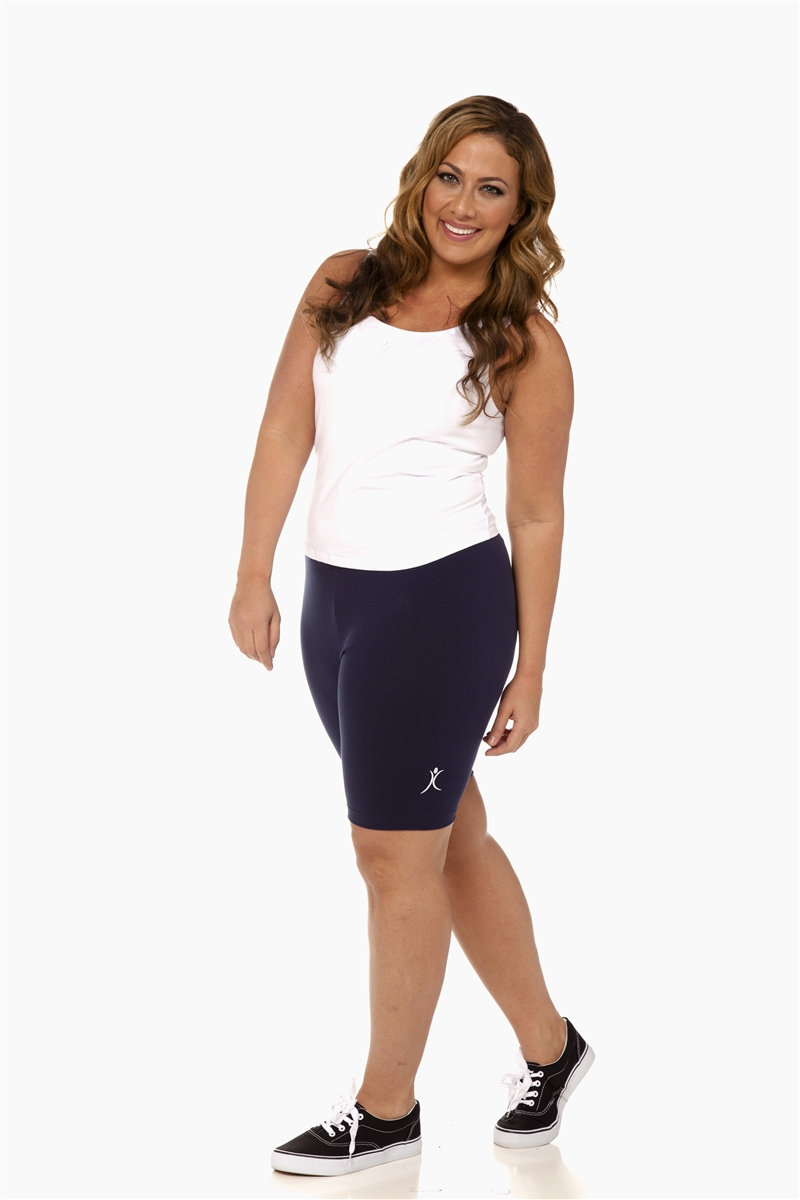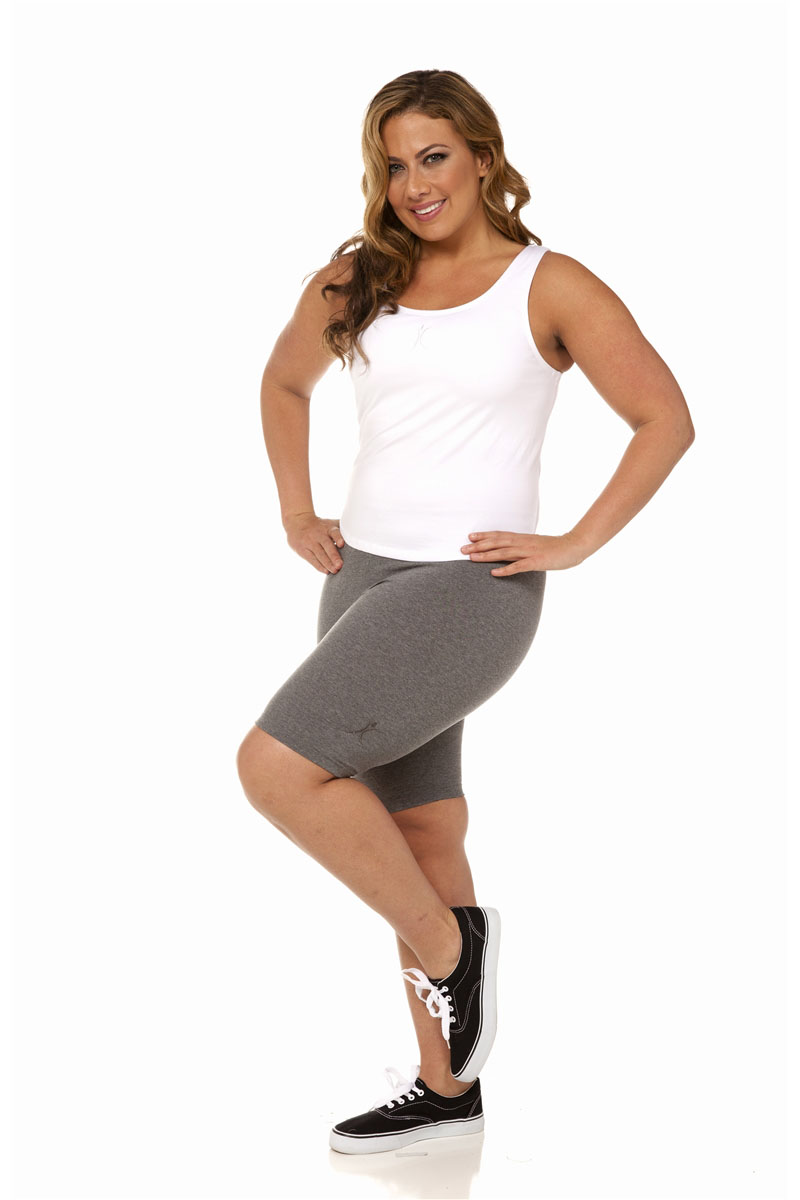
Jennifer Portnick's Training
Advice
  
About Jennifer Portnick
If you had told me ten years ago that one day I'd be teaching aerobics and
doing personal training I would have said, you're crazy. I was working out then
but only two days a week. I enjoyed it but didn't put
a whole lot of thought into why it was a pleasure, or why I was even doing it.
Now here I am, taking or teaching aerobic dance
classes every day, working out with weights three days a week, and working with
clients one on one in addition to my full-time, non-
fitness related job.
Here's a brief history of how this all came about:
My first memory of physical exertion is of PE class in public school. I remember
having to run around the track and having a hard time doing it. I got really
out of breath and didn't think I'd make it. Eventually I came around but
usually in the back of the line, which discouraged me. I thought I'd never be
physically fit as the other kids seemed to me to be.
In my middle school years my parents sent my sister and me to a PE camp for the
summer. Now, this was a way to make fitness fun! I jumped on
trampolines, walked across balance beams, shot basketballs, swam, danced,
and just generally had a good time. But soon enough summer was over, and it
was time to return to fitness the old way I had learned it: it was really
hard and not fun at all.
After I graduated from college I started to panic about my ever growing
physique. I couldn't understand why I seemed to be getting bigger and bigger,
even though I had been dieting off and on since the
age of nine. I joined a gym and took an aerobics class for the first time. It
was hard at first but I loved it because it was like
dancing, which I had discovered in my college years. For the next decade I
continued to do aerobics and also tried to lose weight. I went
on diets and took several drugs including Fen-Phen, Paxil, Dexatrim and
Meridia all in an effort to wear a smaller size. All of these methods had some
short term effectiveness; however, no results lasted
more than a year, and after each effort I found I gained more weight than I had
lost. I felt very discouraged and defeated.
At the age of thirty-three and at 250 lbs I decided that dieting was not
working, and I decided to stop. This was not an easy decision to make, as I had
worried about what I was eating for so long I didn't know if I could live
another way. I knew that once I stopped dieting I might gain even more weight,
but I also hoped that eventually my weight would
settle into its natural place and I wouldn't have to stress over food or my body
anymore. I bought a copy of Overcoming Overeating
(Jane Hirschmann and Carol Munther's book) and read it in one sitting, then I
began to practice their principals. Sure enough, over the
course of the next few months, I gained a little weight, then I lost what
I had gained. Food began to seem much less interesting to me. I no longer
experienced cravings, and I no longer felt the need to overeat. Ever
since I have felt much more in tune with my body and balanced in my relationship
with food. I feel I have become a normal eater, and in
exactly the opposite of the way I had thought I would.
I lived in several cities in the next few years but always took aerobics
classes. Eventually I wound up taking Jazzercise, first in Walnut Creek, and
then in San Francisco at the Noe Valley location. I
loved going to Jazzercise class and took several days a week, sometimes doing
two classes in a row, because it was fun and also
because I liked the feeling of being in good shape. Then in the Spring of 2001
my instructor, Kristi Howard, approached me about becoming
certified so I could teach at her location. I said yes and started
working out six days a week to prepare for their workshop. When Jazzercise told
me I would not be able to attend their workshop until
I met their "fit appearance requirement," I challenged them through the San
Francisco Human Rights Commission, and went on to
become certified through the Aerobics and Fitness Association of America, also
known as AFAA. Ultimately Jazzercise dropped the "fit
appearance" requirement, and I went on to start my own aerobics classes here in
San Francisco.
I call my classes Feeling Good Fitness classes because I intend to make working
out a pleasure for all who want to participate. So often we think of exercise
as drudgery, or as punishment for something we ate earlier in the day, or
as a way to change our bodies. I don't believe that we will not incorporate
fitness into our lives long term unless it is
something we truly enjoy, so I make class as pleasurable as possible. As one
reporter said, I am more of a cheerleader than a drill
sergeant. I am there to make class the best possible experience it can be for
each person there, not to intimidate or to cajole. And that, in my
opinion, is what keeps people coming back for more.
Last year I achieved a second certification, this one as personal trainer. I am
now working with clients one on one at World Gym in San Francisco to help
them optimize their health and fitness levels in a weight neutral way. I
have also personally started weight training in addition to my daily aerobic
workout, and I love it. It's very rewarding to me to
push myself to become stronger, more powerful, more flexible, and have more
endurance than I ever have had before. Thank-you
for reading this. If you'd like to drop me a note please do, I'd love to hear
from you.
Best wishes to all!
Carol from Indiana writes:
Question : I am considering joining a fitness
center. I joined a fitness center in 1998. I only know how to use the treadmill,
so I got bored. Unless the weather was severe, I like to walk outside.
Trainer Jennifer Portnick's Answer:
Hi Carol,
Thanks for taking the time to write to us at ABA.
I'm not entirely sure what your question is but I'll do my best to answer you.
If you're thinking of joining a fitness center,
you may be wondering what qualities to look for in a club. Here are some things
I'd keep in mind if I were shopping for a fitness center:
- When I walk around the center do I see people
in a range of sizes both as clients and also as employees?
- When I meet with a personal trainer to talk
about how to improve my fitness level, are they counseling me to lose weight
even if I have said I am not interested in doing so?
- When I look on the walls of a fitness center
do I see advertisements suggesting that I'll look like a model if I work out
there, or do I see more realistic images of people enjoying their fitness
routine, whether or not they are model thin?
- When I go to an aerobics class does the
instructor yell things like "burn that butter" or does he/she talk about
fitness in a body (e.g. no negative remarks) positive way?
- Finally, what is the overall feeling I get at
this facility? Do I feel at home there or out of place? Do the people strike
me as friendly or more like the fitness elite? How you feel in the environment
is going to make a huge difference in whether or not you want to come back.
I hope this helps you a little in making your
decision. And don't forget, it's always a good idea to get clearance from your
physician before starting an exercise routine for the first time.
Good luck to you,
Jennifer
Michelle from Texas
writes:
Question : I’m 5 3 and 170 I was wondering how
long at home should I work out to see results soon . And are jumping jacks a
good thing?
Thank you
Trainer Jennifer Portnick answers:
Hi Michelle, thanks for taking the time to write.
As far as results, if you're thinking of weight
loss, I couldn't predict how long it would take for your body to change. There
are many factors involved including diet, type of exercise, how long you
exercise, how intensely you exercise, and genetics. Everyone is truly different.
However, there is a response to exercise that is quite predictable for nearly
everyone and that is the physical and mental changes that happen with aerobic
exercise, weight loss aside. The list of benefits of aerobic exercise is quite
long, including: lowered blood pressure, lowered heart rate, increased lung
capacity, stronger heart, stabilized mood, and increased muscle mass. Some
people who go from a sedentary to more active lifestyle will find that they lose
weight and others may not. But whether or not weight changes, the internal
changes will improve and health will happen. In my practice I recommend that my
clients choose a movement activity that they truly enjoy doing and engage in it
a couple of times a week to start. I also tell them to put the scale away.
Weight is not a measure of fitness or physical wellbeing, though many people
would like you to believe that it is. As for jumping jacks, I wouldn't recommend
them if you are just starting out on the road to fitness. Any type of activity
where you feet leave the floor can be jarring to bones and joints, and if you're
body isn't already conditioned you may find that you are sore and/or exhausted
after doing them, which could leave you feeling you are unable to continue
movement activity. So, start out with something that gets your heart and blood
pumping but isn't so hard on your body. Walking, swimming and cycling are all
excellent aerobic activities which are not as hard on the body as jumping jacks
are. And don't forget, if you haven't moved in awhile, you'll want to check with
your doctor before starting any new program.
Best wishes to you, Jennifer Portnick
Lashiya from North
Carolina writes:
Question: I am a 22-year old college student. I
am also a plus-size young lady. I don't have a lot of time to do exercise and I
have am busy through out the day so I don't really have time to eat. I eat late
at night and sometimes I don't eat breakfast. What can I do to eat healthier and
better? What are some exercises I can do in my dorm that are quick?
Jennifer writes:
Hi Lashiya, thanks for your message. I appreciate
your taking the time to write. I recall my own days as a college student and
remember that eating did not seem to be a priority until I got really, really
hungry and then I felt that I couldn't stop eating when I was full. I often felt
low on energy during the day and ended up eating foods that weren't particularly
nutritious as a way of bringing my energy back up from what seemed like an
abnormally low level. Perhaps this is happening to you, too? In terms of eating
healthier and better, my recommendations are:
- Eat often. While it may seem that you don't
have time to eat, you also don't have time to be low on energy, right? In a
busy college student's life the last thing you want is to be cranky and hungry
during the day. Start by listening to your internal cues. If you wake up and
you're not hungry, then don't eat. But when you do start to experience
feelings of hunger, even if it's at an odd time like in the middle of class,
put something in your stomach that will satisfy that hunger. If you feel
hungry again in an hour, or in four hours, eat something. Again, choose foods
that will satisfy your hunger and not just foods you are eating because you
think you should, e.g. carrot sticks if you really want peanut butter. I bet
you will notice you have more energy during the day and you are less
interested in food late at night when practicing these principles.
- In support of suggestion #1, carry food with
you so you have something to eat when you're hungry. Take yogurt, crackers, a
sandwich, and a thermos full of soup, anything that sounds good to you with
you during the day. Don't question your body's need to eat, or what you are
craving. As best you can identify what would be most satisfying to you and
enjoy that food until you don't want to eat anymore. If it’s cake you want,
eat it. If it's a hamburger, have that hamburger. Enjoy every bite of it, if
that's how much it takes to satisfy you.
- Pay attention to how you feel before, during
and after you eat. For example, if you want a hamburger and you eat one, then
you feel tired and sluggish afterwards, you'll keep that in mind next
time you're choosing a food. If you need energy during the day a veggie burger
might be as satisfying and leave you feeling less "weighed down" after you eat
it. As for exercise, I'd love to see you get some movement into your schedule
so that you can enjoy the benefits of aerobic exercise. You might enjoy A Big
Attitude's workout tape that can be done in its entirety or in short spurts
even in a smaller space like your dorm room. You could also purchase light
hand weights and start doing some resistance training, though I'd really
recommend getting in an aerobic workout if you possibly can. It really does
clear the head while making the body stronger and more resilient. You don't
have to do a structured workout to get in aerobic exercise, by the way. I'd
also recommend putting on your tennis shoes and taking a brisk walk around
campus. Or, dance up a storm at a local night club. You will get your body
moving and it won't even feel like exercise. Don't forget if you haven't been
active before to check with your doctor before starting any exercise program.
I wish you the best and again, thank-you for
writing. Jennifer We would like to hear from you with your ABA stories. Share with us any of your own personal stories where having A BIG ATTITUDE has made a difference in your life. We'll print the best stories and send you a free gift....a copy of our popular video "Work Out With A BIG ATTITUDE."
Email Jennifer with YOUR questions!
|